Orientation Homestay Training Conducted in Rishiyan Village, Chitrakoot
 DGVS
DGVSPromoting Rural Tourism Through Community Participation
Date: 18 May 2026
Location: Rishiyan Village, Chitrakoot
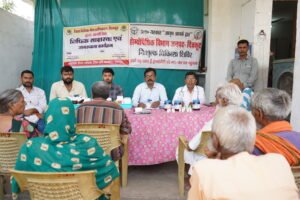
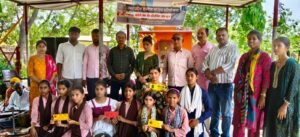
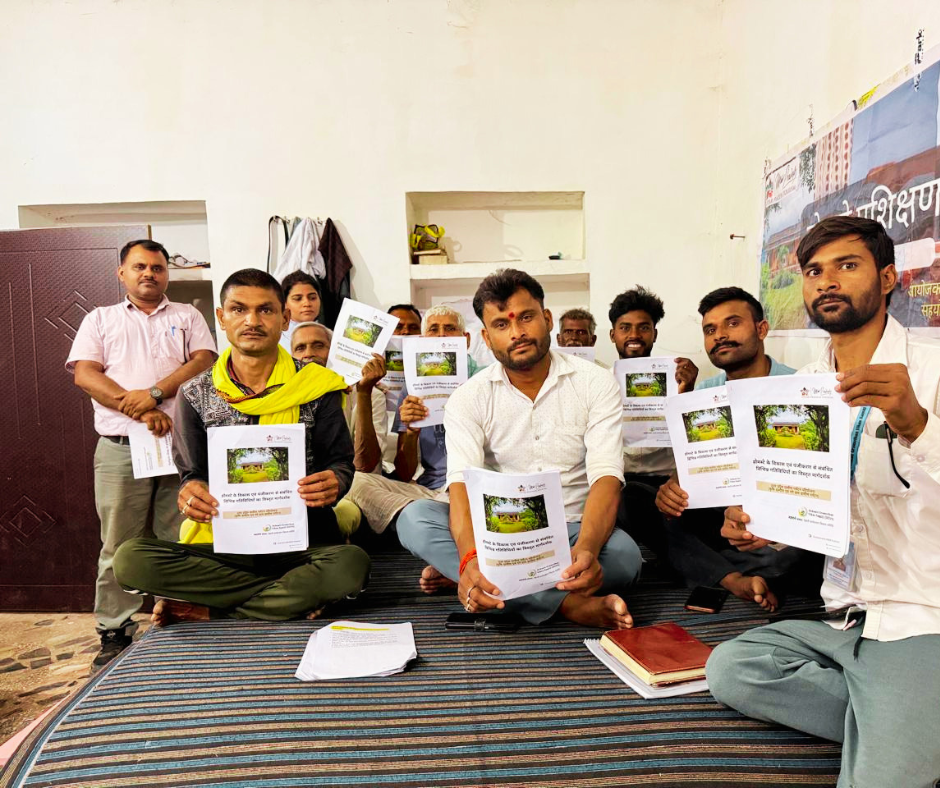
Rural tourism is becoming an important part of sustainable development in India. Villages across the country are rich in culture, traditions, agriculture, local cuisine, and community life. Travelers today are increasingly interested in experiencing authentic village life, peaceful surroundings, and local traditions rather than only visiting crowded urban destinations. Keeping this vision in mind, an Orientation Homestay Training was organized in Rishiyan Village, Chitrakoot to introduce villagers to the concept of homestays and rural tourism.
The training aimed to create awareness among local communities about how tourism can generate employment opportunities while preserving the cultural identity and traditions of rural India. The session was conducted in a simple, practical, and interactive manner so that villagers could easily understand the importance of hospitality and guest engagement.
Introduction to Homestay and Rural Tourism
The training began with an introduction to the growing importance of rural tourism in India. Participants were informed that modern travelers are now looking for meaningful travel experiences where they can stay in villages, enjoy local food, understand farming culture, and experience the simplicity of rural life.
The concept of homestays was explained as a form of tourism where visitors stay with local families and become a part of the local environment. Trainers highlighted that homestays not only help tourists experience authentic village culture but also create additional income opportunities for local families.
Participants learned that rural tourism can contribute to:
- Local employment generation
- Promotion of village culture
- Preservation of traditions
- Women empowerment
- Community participation
- Sustainable development
Interactive Role Play Session
One of the major highlights of the Orientation Homestay Training was an engaging role play activity between a tourist and a homestay owner.
Through this practical demonstration, participants learned:
- How to welcome guests politely
- How to communicate with visitors
- Basic hospitality practices
- The importance of cleanliness and hygiene
- How to provide a comfortable rural experience
The role play session helped villagers understand real-life situations that may occur while hosting tourists. Participants actively observed the conversation between the “tourist” and the “homestay owner,” which made the training more practical and easy to understand.
The activity also emphasized that tourists visiting villages are usually interested in authentic experiences such as:
- Traditional food
- Farming activities
- Village culture
- Local festivals
- Folk music and dance
- Nature and peaceful surroundings
Importance of Hospitality in Rural Tourism
Hospitality plays a very important role in tourism development. During the training, participants were encouraged to create a welcoming and respectful environment for visitors.
Basic hospitality practices discussed during the session included:
- Greeting guests warmly
- Maintaining clean surroundings
- Providing hygienic food and water
- Respectful communication
- Helping visitors understand local customs
Villagers were informed that even small efforts in hospitality can leave a positive impression on visitors and encourage them to revisit rural destinations.
Question–Answer Session with Participants
An interactive question–answer session was also conducted during the training program. Participants actively asked questions related to:
- Homestay management
- Tourism opportunities
- Guest expectations
- Cleanliness and hygiene
- Income generation through tourism
The discussion helped participants understand how tourism can support village development while preserving local traditions and culture.
Many villagers expressed interest in preparing their homes for visitors and becoming a part of rural tourism initiatives in Chitrakoot.
Promoting Sustainable Rural Tourism
The training also focused on the importance of sustainable tourism practices. Participants were encouraged to protect the natural beauty and cultural identity of their village while developing tourism activities.
Special emphasis was given to:
- Clean village surroundings
- Eco-friendly tourism practices
- Protection of local traditions
- Community participation
- Responsible tourism behavior
Villagers were informed that sustainable tourism helps create long-term benefits for both local communities and visitors.
Creating Livelihood Opportunities in Villages
Rural tourism can become an important source of livelihood for village communities. Through homestays and tourism-related activities, local families can generate additional income while staying connected to their culture and traditions.
The training highlighted opportunities such as:
- Homestay accommodation
- Local food services
- Village guiding
- Handicrafts and local products
- Cultural performances
- Agriculture-based tourism activities
Such initiatives can help strengthen village economies and reduce migration from rural areas to cities.
Community Participation and Women Empowerment
The training encouraged active participation of women and youth in rural tourism initiatives. Women can play a significant role through:
- Traditional cooking
- Hospitality management
- Handicrafts and local products
- Cultural activities
Youth can contribute by:
- Guiding tourists
- Communication support
- Social media promotion
- Organizing local tourism activities
Community participation is essential for the successful development of rural tourism.
DGVS Efforts Towards Rural Tourism Development
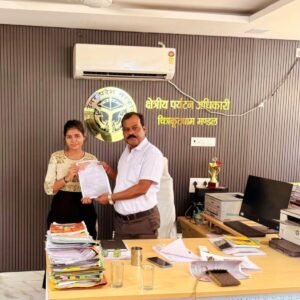
DGVS continues to work actively towards promoting rural tourism and community development in Chitrakoot. Through awareness programs, skill development initiatives, and tourism-based training sessions, the organization aims to create sustainable opportunities for local communities.
The Orientation Homestay Training in Rishiyan Village is part of ongoing efforts to:
- Promote eco-rural tourism
- Preserve village culture and traditions
- Create self-employment opportunities
- Improve community participation
- Strengthen sustainable tourism practices
Such initiatives are helping villages in Chitrakoot emerge as attractive destinations for travelers interested in experiencing authentic rural India.
Conclusion
The Orientation Homestay Training conducted in Rishiyan Village was an important step toward promoting rural tourism awareness and community participation in Chitrakoot.
Through role play activities, interactive discussions, and hospitality training, participants gained valuable knowledge about homestay management and rural tourism opportunities. The program encouraged villagers to see tourism as a way to preserve their culture, generate income, and create meaningful experiences for visitors.
With continued support, awareness, and community participation, villages like Rishiyan have the potential to become strong examples of sustainable rural tourism in India.
Frequently Asked Questions (FAQs)
What was the purpose of the Orientation Homestay Training?
The training aimed to introduce villagers to homestays, hospitality practices, and rural tourism opportunities.
Where was the training conducted?
The training was conducted in Rishiyan Village, Chitrakoot.
What activities were included in the training?
The session included role play activities, hospitality awareness, guest interaction guidance, and an interactive question–answer session.
How can rural tourism benefit villages?
Rural tourism can generate employment, promote local culture, support local businesses, and encourage sustainable development.
What is a homestay?
A homestay is a form of accommodation where tourists stay with local families to experience village life and culture.
Why is rural tourism important?
Rural tourism helps preserve traditions, strengthen local economies, and create opportunities for community development while offering authentic experiences to visitors.