
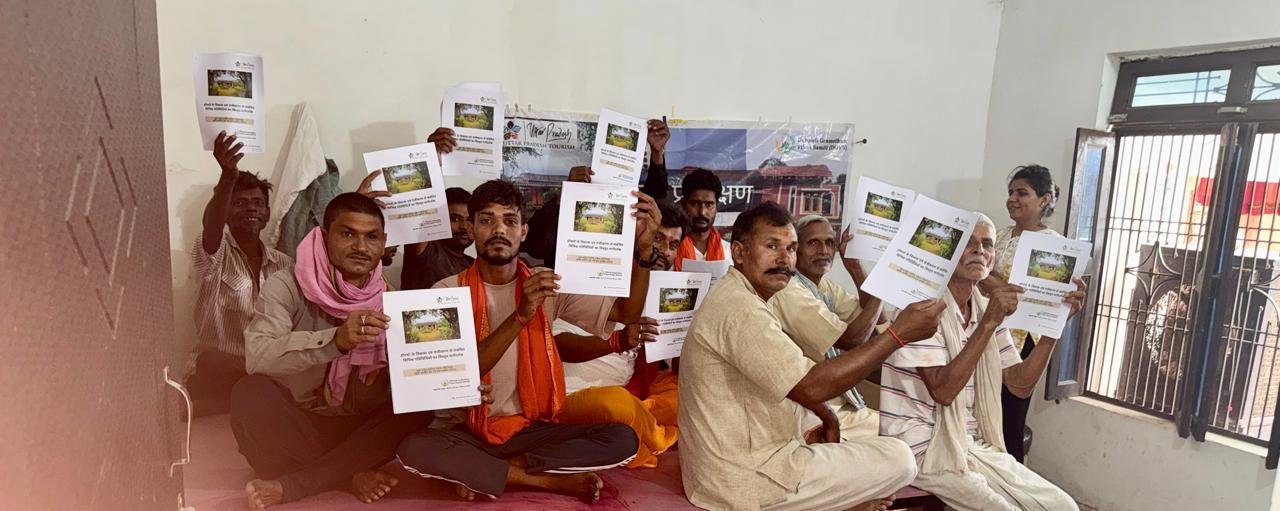
Orientation Homestay Training Conducted in Rishiyan Village
 DGVS
DGVSStrengthening Rural Tourism Through Community-Based Homestay Initiatives
To promote sustainable rural tourism and improve village-based hospitality services, an Orientation Homestay Training was organized on 17 May 2026 in Rishiyan Village. The training session was conducted for local homestay owners and community members involved in rural tourism activities.
The initiative aimed to strengthen community participation in tourism by helping local hosts understand the fundamentals of homestay management, guest hospitality, cleanliness, and tourism-related practices.
The program focused on building awareness about how rural families can become active participants in tourism development while preserving the authenticity of village life and culture.
Promoting Sustainable Rural Tourism
Rural tourism is becoming an important source of livelihood and cultural exchange in many villages across India. Homestays play a major role in providing visitors with authentic experiences of local traditions, food, and rural lifestyles.
The Orientation Homestay Training in Rishiyan Village was organized to encourage local families to participate in tourism activities in a professional and welcoming manner.
The training emphasized:
- Sustainable village tourism
- Community-based hospitality
- Cultural preservation
- Clean and safe accommodation practices
- Responsible tourism development
The initiative also highlighted the importance of creating meaningful tourism experiences that directly benefit rural communities.
Topics Covered During the Training
The training session covered several important areas related to homestay operations and rural hospitality management.
Homestay Basics
Participants were introduced to the basic concepts of running a homestay, including accommodation setup, visitor interaction, and creating a comfortable environment for guests.
Rural Tourism Awareness
The session explained the importance of rural tourism and how village communities can benefit through cultural exchange, tourism activities, and livelihood opportunities.
Guest Handling & Hospitality
Special guidance was provided on how to welcome and interact with visitors respectfully and professionally while maintaining the warmth of traditional village hospitality.
Cleanliness & Hygiene
Participants learned about maintaining cleanliness in rooms, kitchens, bathrooms, and surrounding areas to ensure a safe and pleasant stay for guests.
Food Safety Practices
The training also focused on food hygiene, safe cooking practices, and serving traditional local cuisine in a clean and organized manner.
Simple Record-Keeping
Basic information regarding visitor records, booking details, and simple documentation practices was shared to help homestay owners manage operations effectively.
Creating Authentic Rural Experiences
One of the key objectives of the training was to help hosts provide visitors with genuine and memorable rural experiences.
Tourists visiting villages often seek:
- Traditional village life
- Local cuisine
- Cultural experiences
- Peaceful natural surroundings
- Interaction with local communities
The training encouraged hosts to preserve the originality of rural culture while improving hospitality standards.
Community Participation in Tourism Development
The success of rural tourism depends heavily on community involvement. Programs like this encourage local residents to become active partners in tourism development.
The training motivated participants to:
- Improve village hospitality services
- Promote local culture and traditions
- Work together for tourism development
- Create income opportunities through homestays
- Build confidence in interacting with visitors
Such initiatives also help strengthen community ownership and sustainable development.
Rishiyan Village and Rural Tourism Potential
Rishiyan Village holds strong potential for rural tourism due to its traditional lifestyle, village environment, and cultural identity. Through proper training and support, local communities can create tourism experiences that attract visitors interested in authentic rural life.
Homestay development in villages like Rishiyan can contribute towards:
- Rural livelihood generation
- Women participation in tourism
- Promotion of local food and culture
- Sustainable tourism practices
- Strengthening village economies
Importance of Homestay Training
Training and awareness programs are essential for improving the quality and sustainability of rural tourism services.
Homestay training helps local families:
- Understand visitor expectations
- Improve hospitality skills
- Maintain hygiene and safety standards
- Build confidence in tourism activities
- Develop long-term tourism opportunities
It also creates a positive image of rural destinations among visitors.
Supporting Rural Livelihoods Through Tourism
Tourism-based initiatives such as homestays can become an important source of income for rural families. By involving local communities directly in tourism activities, villages can create sustainable economic opportunities while preserving their cultural identity.
The training in Rishiyan Village aimed to encourage this balance between:
- Tourism growth
- Cultural preservation
- Community participation
- Sustainable livelihoods
Conclusion
The Orientation Homestay Training organized on 17 May 2026 in Rishiyan Village was an important step towards strengthening rural tourism and community participation.
Through sessions on guest hospitality, hygiene, food safety, and tourism awareness, local homestay owners gained valuable knowledge to improve their services and create authentic rural experiences for visitors.
Such initiatives play a vital role in promoting sustainable village tourism while empowering rural communities and preserving local traditions.
Frequently Asked Questions (FAQs)
1. When was the Orientation Homestay Training organized?
The training was organized on 17 May 2026.
2. Where was the training conducted?
The training was conducted in Rishiyan Village.
3. Who participated in the training?
Local homestay owners and community members involved in rural tourism participated in the session.
4. What topics were covered during the training?
The training included homestay basics, guest handling, cleanliness, hygiene, food safety, rural tourism awareness, and simple record-keeping practices.
5. What was the objective of the training?
The objective was to strengthen rural tourism by helping local hosts provide safe, welcoming, and authentic village experiences to visitors.
