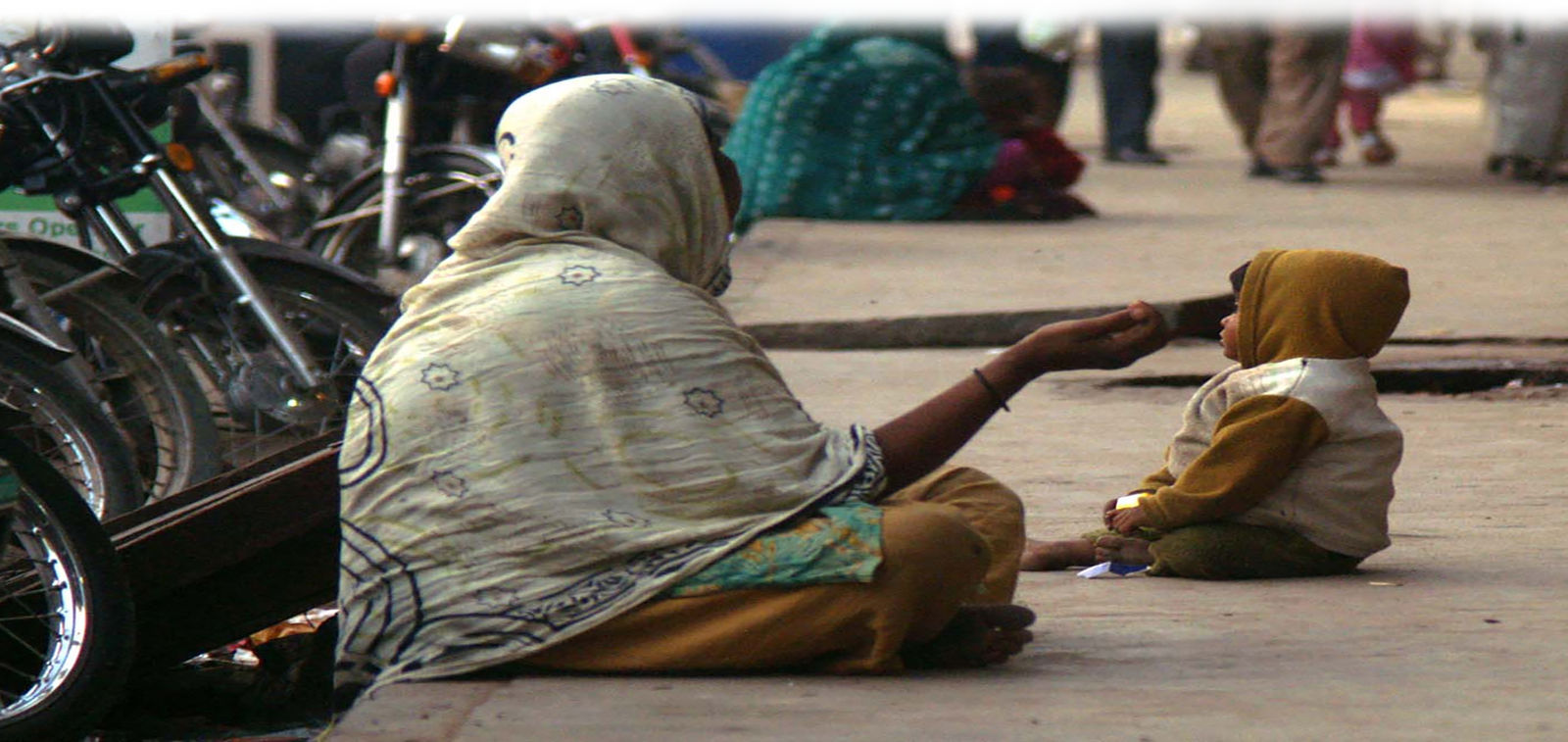
Beggary is a complex social challenge that has been steadily growing across urban and rural landscapes in India. While many people offer spare change out of compassion, these misdirected attempts at helping often perpetuate a cycle of dependency rather than offering a real solution. Addressing beggary requires a fundamental shift from temporary alms-giving to comprehensive rehabilitation, mindset transformation, and sustainable skill development.
Dehati Gramothan Vikas Samiti (DGVS) is actively working to address this issue at its root. Through multi-pronged rehabilitation drives, specialized educational projects, counseling programs, and vocational training, DGVS strives to restore dignity and self-reliance to marginalized individuals. By providing structured opportunities, the organization helps vulnerable children and adults transition away from street begging and into the social and economic mainstream.
The Reality of Beggary in India and the Need for Rehabilitation
Beggary is often driven by extreme poverty, lack of access to formal education, family instability, and systemic exploitation. Children and elderly individuals are frequently forced onto the streets, making them vulnerable to long-term marginalization. Providing monetary alms offers only momentary relief and can unintentionally reinforce street begging networks.
To break this cycle effectively, intervention strategies must focus on systemic rehabilitation. This involves providing access to basic human rights: formal education, healthcare, shelter, legal identity, and sustainable livelihood options. To understand national legal frameworks and welfare schemes aimed at rehabilitation, you can visit the official Ministry of Social Justice and Empowerment portal.
Beggars’ House: Complete Rehabilitation and Identity Restructuring
The Beggars’ House project is a flagship initiative run by DGVS aimed at the complete rehabilitation, mindset transformation, and self-employment of individuals involved in street begging. The program addresses both the psychological and economic aspects of beggary.
Key Pillars of the Beggars’ House Project
Mindset Transformation & Counseling: Providing mental health support and counseling to help individuals overcome institutionalized street dependency and build self-esteem.
Restoring Civic Identity: Assisting beneficiaries in obtaining essential government identification documents (such as Aadhaar cards and ration cards) to ensure access to public welfare schemes.
Vocational Skill Training: Imparting practical skill sets—such as handicraft production, tailoring, basic carpentry, and small business management—enabling adults to earn a dignified living.
Health and Sanitation Support: Offering medical checkups, hygiene awareness, and nutritional assistance to improve overall physical well-being.
By combining psychological counseling with market-aligned vocational training, Beggars’ House enables individuals to leave street begging behind and build independent futures.
Rescuing Childhood: The “Dreams on Streets” Program
Children forced into begging at traffic signals, bus terminals, and market areas face severe developmental risks. They are denied access to basic schooling, safe environments, and healthy childhood experiences. To address this urgent challenge, DGVS runs the “Dreams on Streets” program.
The core objective of “Dreams on Streets” is to liberate children from street begging and guide them toward structured learning. The initiative identifies children involved in or at risk of forced begging and provides a safe space for care, protection, and foundational learning.
Through regular interaction, nutrition support, and creative activities, the project helps children transition out of street environments and prepares them for formal schooling.
“Bachpan Ki Paathshala”: Bringing Education to the Grassroots
To ensure continuous learning for children from vulnerable backgrounds, DGVS operates community-based open classrooms under the banner of “Bachpan Ki Paathshala”.
Currently active across multiple districts—including Kanpur, Ghaziabad, Lucknow, Kangra, and Patna—“Bachpan Ki Paathshala“ provides free educational support to over 250 children from beggar families and informal settlements.
+-----------------------------------------------------------------------+
|                   "BACHPAN KI PAATHSHALA" MODEL                       |
+-----------------------------------------------------------------------+
| 1. Identification   --> Spotting vulnerable children in street clusters |
| 2. Basic Supplies   --> Distributing free books, bags, & stationary    |
| 3. Bridge Learning  --> Conducting daily open-air foundational classes |
| 4. Formal Admission --> Enrolling prepared students into Govt schools   |
+-----------------------------------------------------------------------+
Core Features of Bachpan Ki Paathshala
Free Educational Materials: DGVS provides complete sets of textbooks, notebooks, school bags, and stationery items to remove financial barriers to learning.
Foundational & Remedial Classes: Volunteer educators teach basic literacy, numeracy, hygiene practices, and life skills adapted to the learning levels of street children.
Formal School Mainstreaming: Once children achieve basic academic readiness, DGVS works with local education authorities to facilitate their enrollment into nearby formal government schools.
Child Safeguarding & Rights: Integrating broader protection initiatives, including advocacy for Girl Child Education, ensuring that young girls receive equal access to schooling and protection from early exploitation.
Empowering Adults: Counseling and Mainstreaming Through Skill Development
While educating children is crucial to preventing intergenerational beggary, rehabilitating adult beggars is equally vital for long-term community transformation. DGVS aggressively focuses on adult rehabilitation through structured intervention programs.
1. Psychological Counseling and Social Re-integration
Many adults involved in begging face chronic despair, social isolation, or substance dependence. DGVS counselors conduct regular field visits to offer individual and group counseling, helping adults rebuild self-worth and understand the benefits of formal employment.
2. Vocational Training and Self-Employment
To make self-reliance achievable, DGVS provides hands-on vocational training aligned with local market needs:
Micro-Enterprise Setup: Training individuals to manage small tea stalls, vegetable vending units, or repair shops.
Handicraft & Production Units: Teaching skills like candle making, cloth bag stitching, and paper product manufacturing.
Placement Assistance: Connecting skilled individuals with local businesses, contractors, and municipal self-employment drives.
For elderly individuals who are unable to engage in manual labor or lack family support, care facilities such as an Old Age Home provide safe shelter, medical care, and nutritional support.
Comprehensive Community & Social Welfare Integration
Ending beggary requires holistic community development. DGVS integrates street rehabilitation efforts with broader social upliftment programs across its operational regions:
Healthcare & Medical Camps: Conducting routine health checkups, vaccination drives, and eye screening camps for street dwellers. Learn more about international health standards via the World Health Organization (WHO).
Women Empowerment & SHGs: Encouraging women from vulnerable families to join Self Help Groups (SHGs), providing financial literacy and access to micro-credit for small business ventures.
Community Awareness: Organizing campaigns to educate the public on responsible giving, encouraging citizens to support structured rehabilitation projects rather than offering cash alms.
Social Welfare Programs: Connecting beneficiaries with state welfare initiatives, pensions, and healthcare cards under broader Social welfare programs.
The Road Ahead: Building a Beggary-Free Future
Rehabilitating individuals trapped in beggary requires sustained efforts, institutional cooperation, and active community participation. DGVS remains committed to expanding its reach across more cities and districts in India.
Future expansion plans include establishing dedicated skill learning centers, expanding mobile classroom networks, and building stronger partnerships with municipal corporations, law enforcement, and civil society organizations.
By focusing on education, dignity, and economic empowerment, DGVS is proving that with the right support, every individual can transition from street dependence to becoming a self-reliant, contributing member of society.